Kickstart Your Demolition Project: The Introduction You Need
Thinking about tearing down an old patio, cracked driveway, or even a full structure? For homeowners in Northern Nevada, that’s where expert demolition comes in. Before the heavy machinery rolls in, understanding how to choose the right demolition services in Nevada, what permits you’ll need, and how to prep your property makes all the difference. planning a project that involves demolition should know how to choose the right demolition services in Nevada and what the process includes. From permits and safety to debris recycling and site prep, here’s a clear, homeowner‑friendly guide to getting demolition done right in Northern Nevada.
Demolition Benefits for Northern Nevada Homeowners
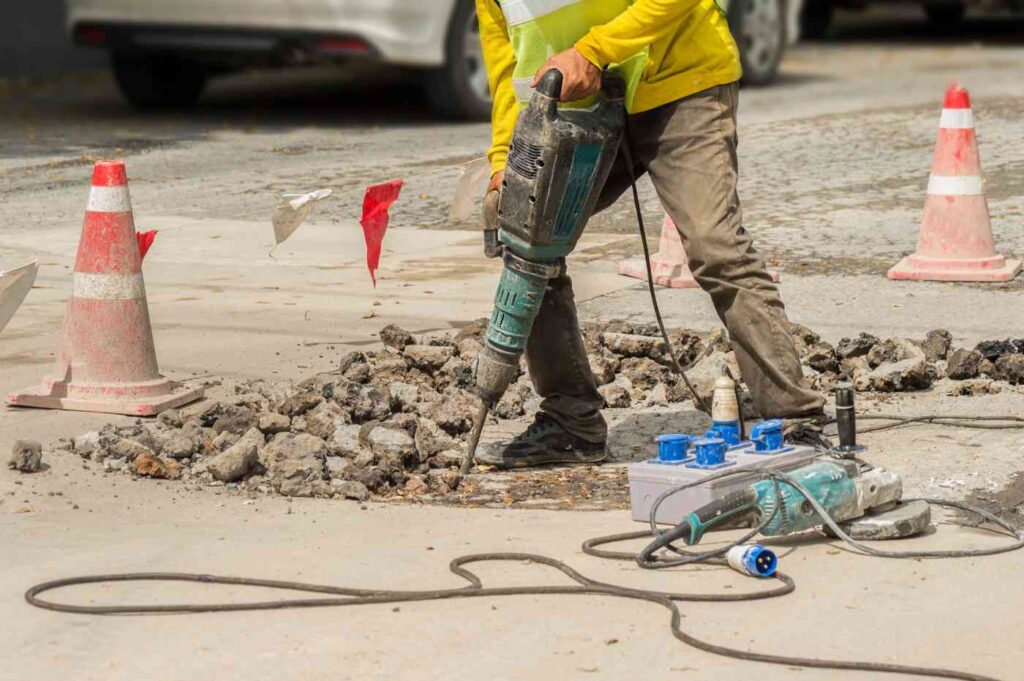
- Safety first. Professional removal crews follow strict protocols for utilities, equipment operation, and dust control.
- Speed and efficiency. Experienced teams complete work faster and minimize disruption.
- Regulatory compliance. Local pros understand municipal rules affecting demolition services in Nevada (permits, noise, dust, haul‑off).
- Responsible disposal. Concrete, metal, and asphalt can often be recycled, reducing landfill waste and costs.
- Site readiness. Proper backfilling, grading, and cleanup leave a clean slate for the next phase.
Demolition Process: Step‑by‑Step
Site Evaluation and Planning
A thorough assessment reviews structure/slab condition, access for machinery, nearby utilities, drainage, and potential hazards (e.g., asbestos/lead in older structures). Good planning prevents cost overruns and change orders.
Permits, Codes & Regulations
Most municipalities in Northern Nevada require permits for removal. Expect coordination for utility shutoffs (electric, gas, water), traffic/sidewalk control where needed, and compliance with dust/noise ordinances.
Execution and Safety Controls
Depending on scope, crews may perform selective removal (garages, sheds, interior slabs) or full tear‑downs. Best practices include utility verification, equipment spotters, dust suppression, and clear safety perimeters.
Debris Removal & Recycling
After removal, materials are sorted and hauled. Removal services in Nevada often recycle concrete/asphalt and separate metal to control costs and environmental impact. Final grading prepares the site for new work.
Demolition Questions Homeowners Should Ask
Licensing, Insurance, and Experience
Confirm the contractor’s license classification, active insurance/bonding, and relevant demolition project experience in Reno, Sparks, Carson City, and nearby communities.
Scope, Timeline, and Impact
Clarify what will be removed, what will remain, expected duration, work hours, dust/noise controls, traffic or parking impacts, and daily cleanup standards.
Utilities, Permits, and Inspections
Ask who handles utility locates/disconnects, permit applications, and required inspections. Clear responsibility avoids delays.
Pricing and Inclusions
Request a written estimate detailing labor, equipment, disposal/recycling, backfill/grading, and any contingencies for hidden conditions (thicker slabs, buried debris, poor soils).
Demolition Scenarios for Homes
For Driveways, Patios, and Slabs
Concrete removal is common when replacing cracked driveways, heaved patios, or sinking walkways. Proper removal and subgrade prep help new installations last.
For Accessory Structures
Garages, sheds, and carports often require selective removal to protect adjacent structures, fencing, and landscaping.
For Full or Partial Structures
Major tear‑downs demand utility coordination, structural sequencing, erosion controls, and robust debris management—tasks best left to seasoned demolition services in Nevada.
Demolition in Northern Nevada: Local Factors
- Climate and dust control. Dry, windy conditions increase dust risk; crews should include water trucks/misters and street sweeping in the plan.
- Soils and terrain. Varied soils and slopes affect access, equipment choice, and backfilling after demolition.
- Disposal logistics. Travel distance to approved facilities and recycling yards can influence pricing and schedule.
- Neighborhood considerations. HOA rules, narrow streets, and school zones may alter staging and work hours.
- Seasonal timing. Freeze/thaw cycles and winter weather can impact excavation and base prep following removal.
Final Checklist Before You Hire
- Verify license, insurance, and local removal experience.
- Confirm scope, schedule, and daily cleanup standards.
- Ensure utilities, permits, and inspections are clearly assigned.
- Review disposal/recycling plan and backfill/grading details.
- Get a transparent cost breakdown with contingencies.
- Request references and recent removal photos from nearby jobs.
Ready to Break Ground? Your Next Step Awaits
Ready to move forward with demolition? Choose a Northern Nevada contractor that understands local codes, soils, and climate—and offers end‑to‑end removal services in Nevada including removal, recycling, and site prep so your next project starts on solid ground.